
Enjoy browsing, but unless otherwise noted, these houses are private property and closed to the public — so don’t go tromping around uninvited! Ctrl-F to search within page.
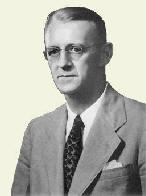
(1895–1974)
Deitrick graduated from Wake Forest College in 1916 and served in WWI as a second lieutenant in the Army. In 1920 he married Elizabeth Hunter of Raleigh. He took up graduate work in architecture at Columbia University and was employed in the office of Raymond Hood. In 1924, Deitrick moved to Raleigh to work for James Salter. Salter's practice was failing, however, and Deitrick quit in 1925 to work as construction supervisor for Raleigh public schools. Later he started his own practice which would become the largest in Raleigh, designing many schools including Broughton High School, Daniels Junior High, and Sherwood-Bates Elementary.
In 1952, Deitrick and architect Matthew Nowicki's wife Siasia Nowicki finished up Raleigh's most famous Modernist building, the J. S. Dorton Arena. Matthew Nowicki, the architect of record, died 31 August 1950 in a plane crash near Cairo, Egypt. Also killed were structural engineer Fred Severud of Severud-Elstad-Kruegar and contractor William Muirhead. Dorton Arena became an instant international landmark. Deitrick designed much of Wake Forest University in Winston-Salem. With employee Milton Small, he also designed the original 1947 Carolina Country Club building, which was destroyed and replaced with a much more traditional building.
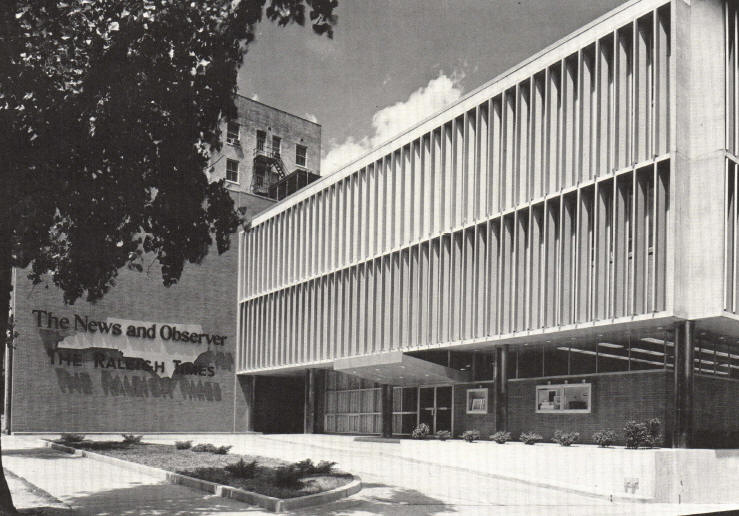
His Modernist was not popular with conservative Raleigh. Architects Byron Burney, Robert Lyons, and Joe Kovac worked for Deitrick in the mid-1950s and left when he shifted to Modernist architecture. Firm projects included the News and Observer/Raleigh Times building in downtown Raleigh, shown below, among many others.
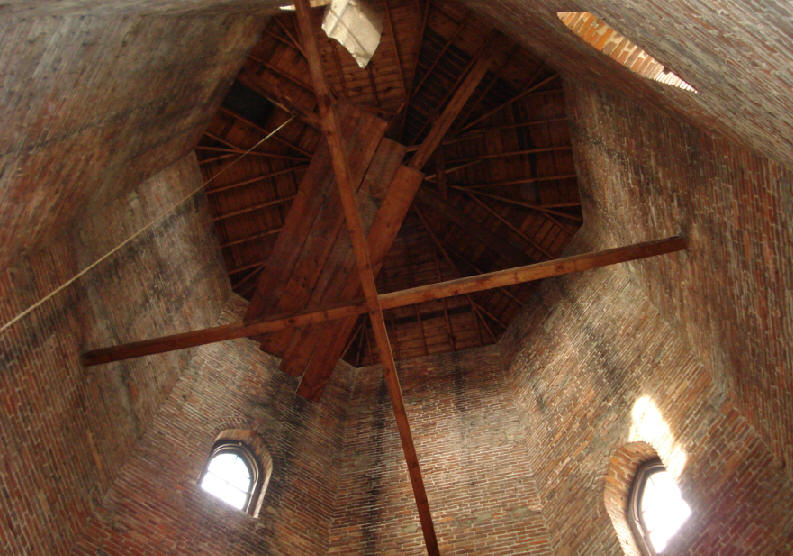
In 1938, Deitrick bought Raleigh's old water tower (below) and renovated the first three floors for his firm. In 1959 Deitrick sold the firm to associate Guy Crampton and continued working there as a consultant. He later deeded the building to AIANC and kept an office until his death in 1974. One of the AIANC's highest awards is named for him. The building was sold in 2010 and AIANC moved to new Modernist headquarters in late 2011.
News stories on the Tower:
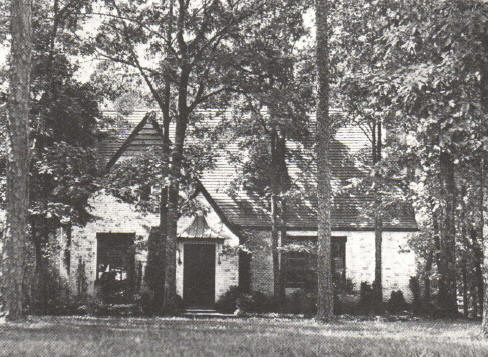
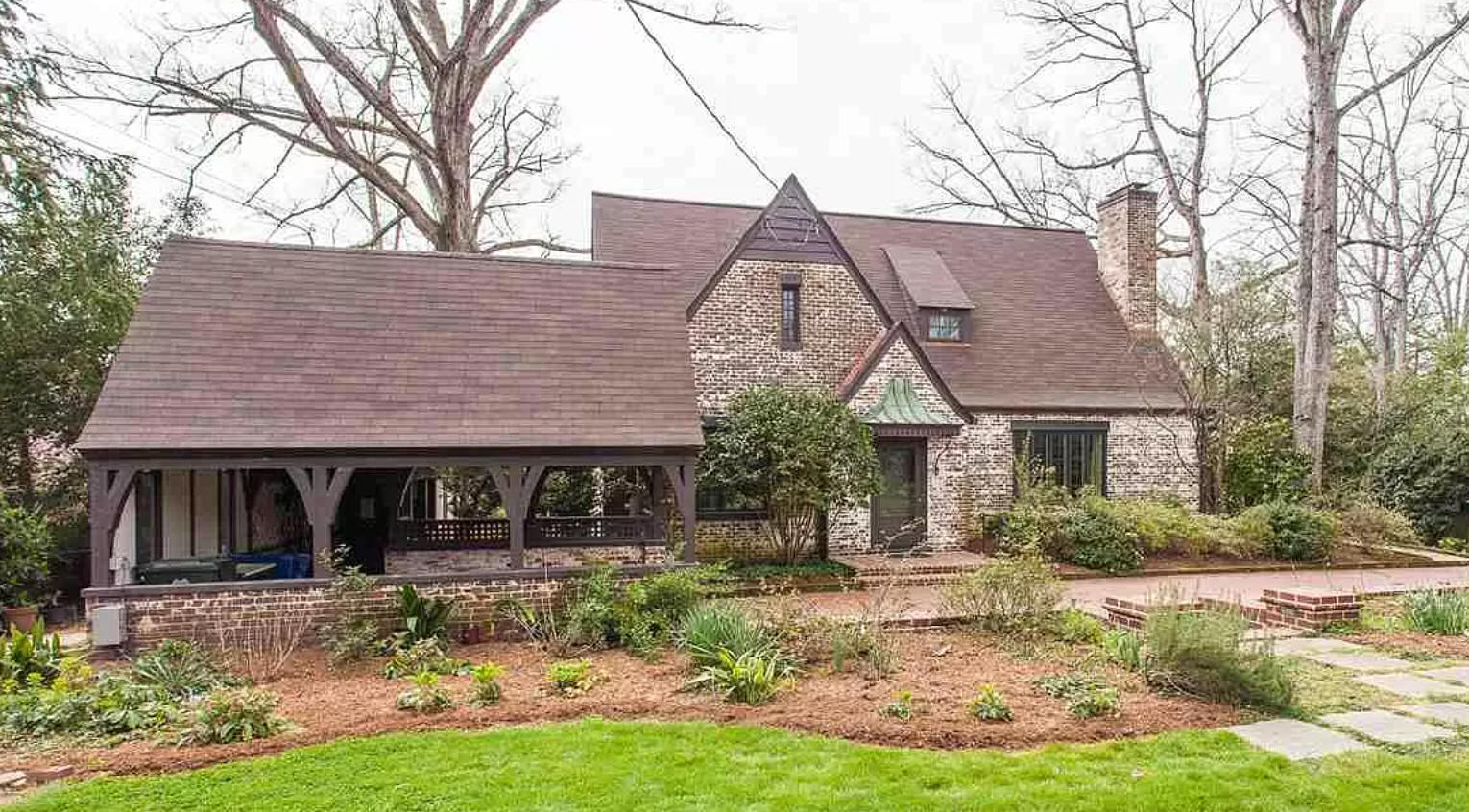
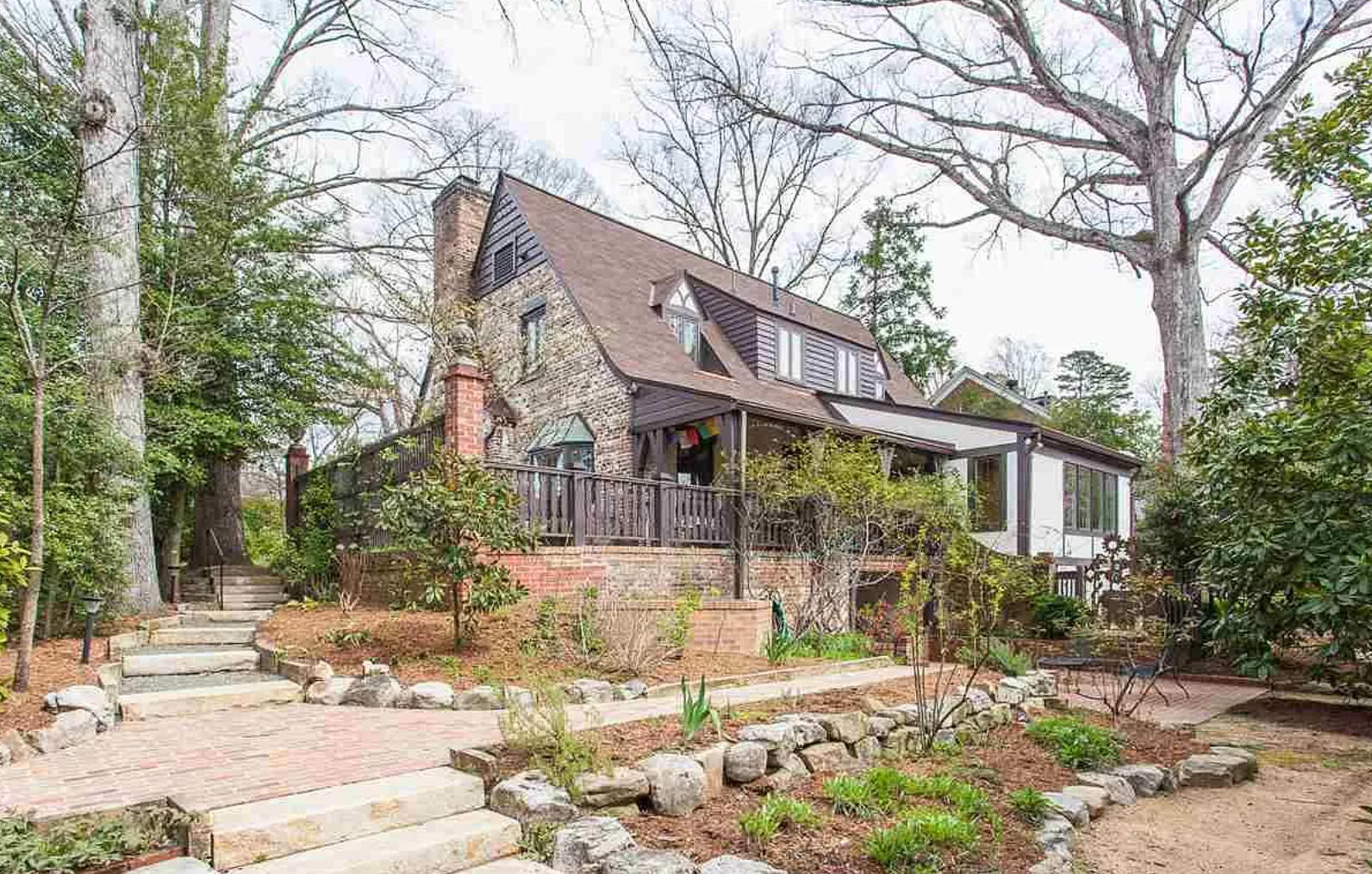
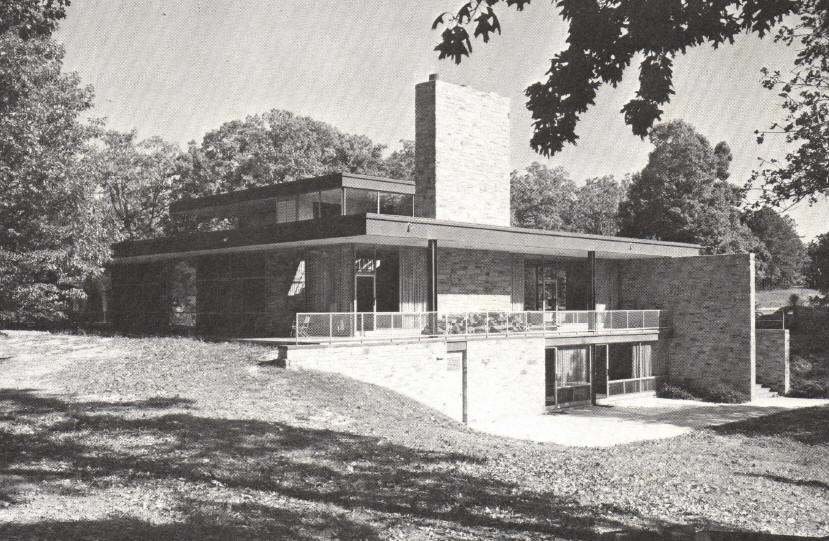
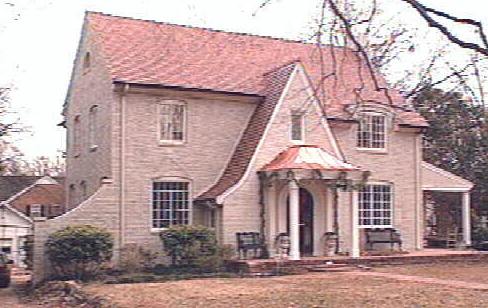
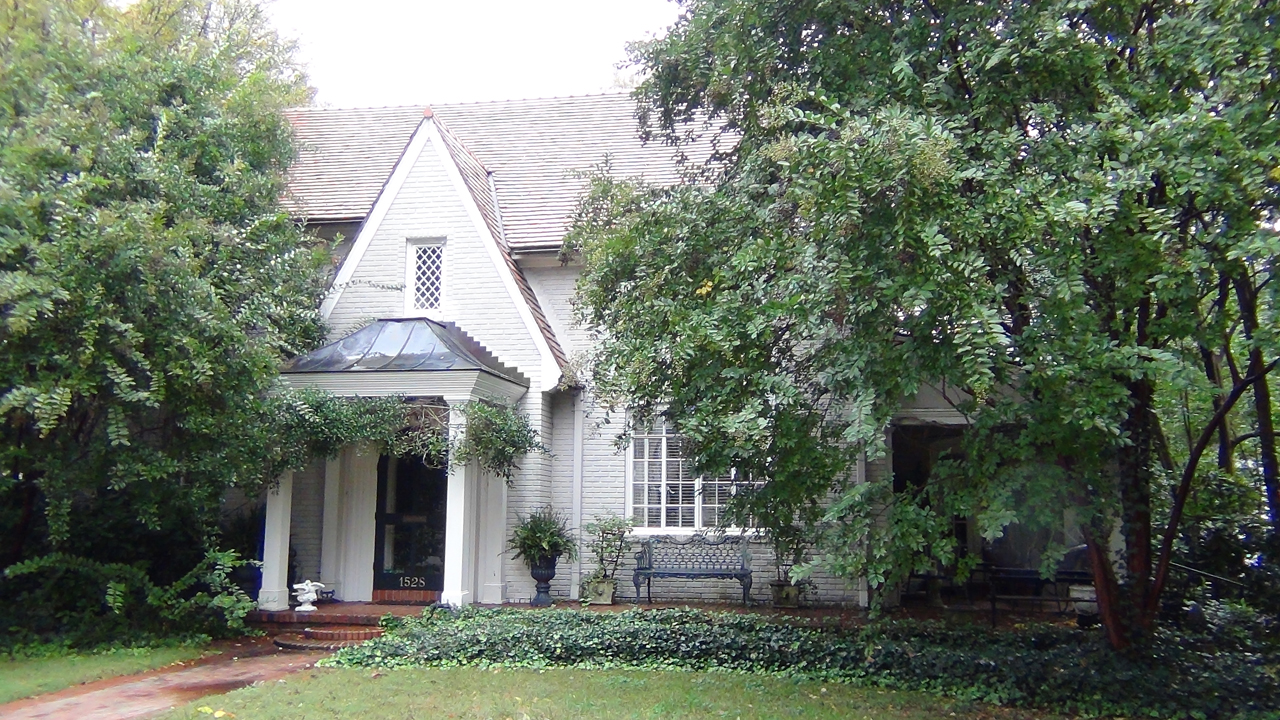
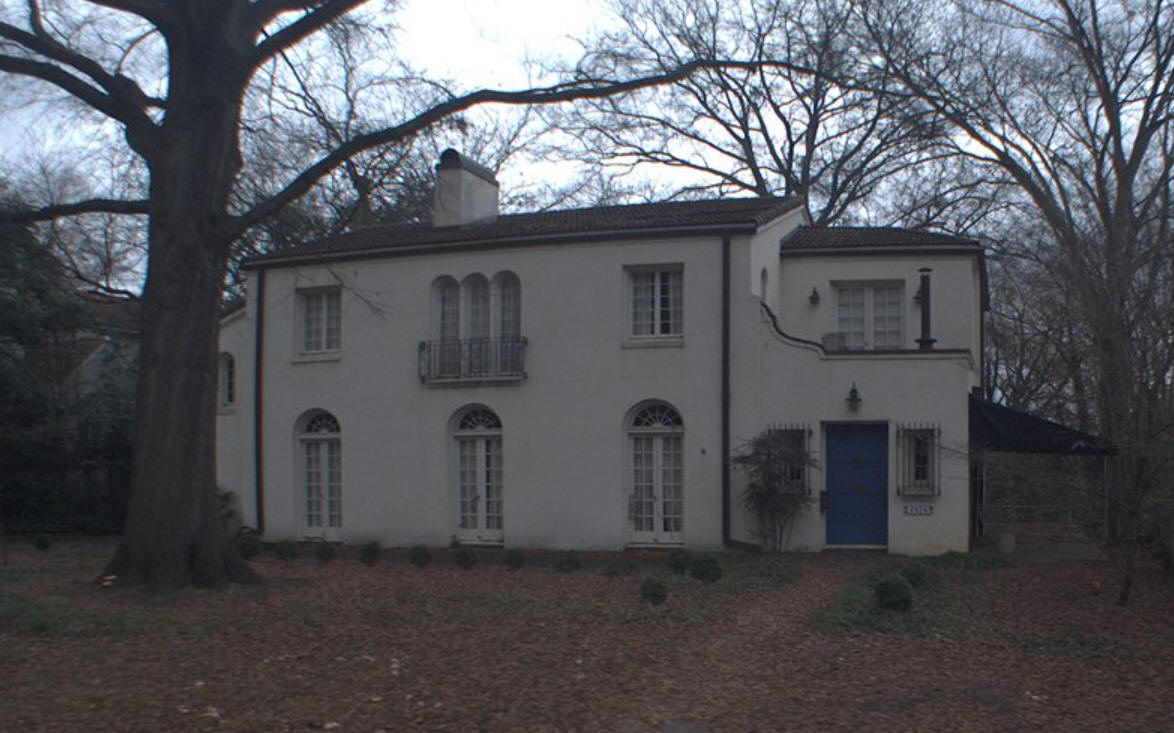
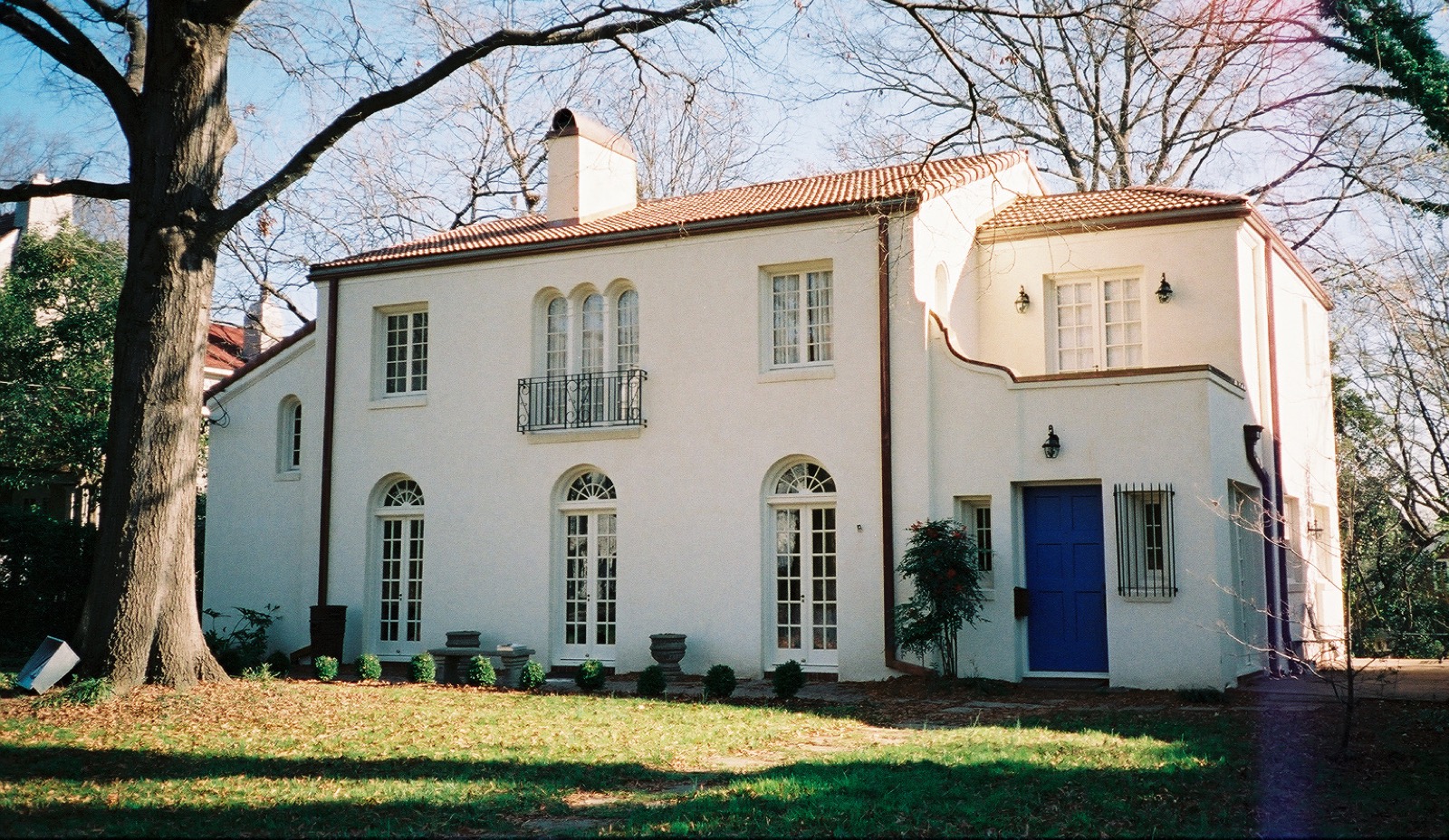
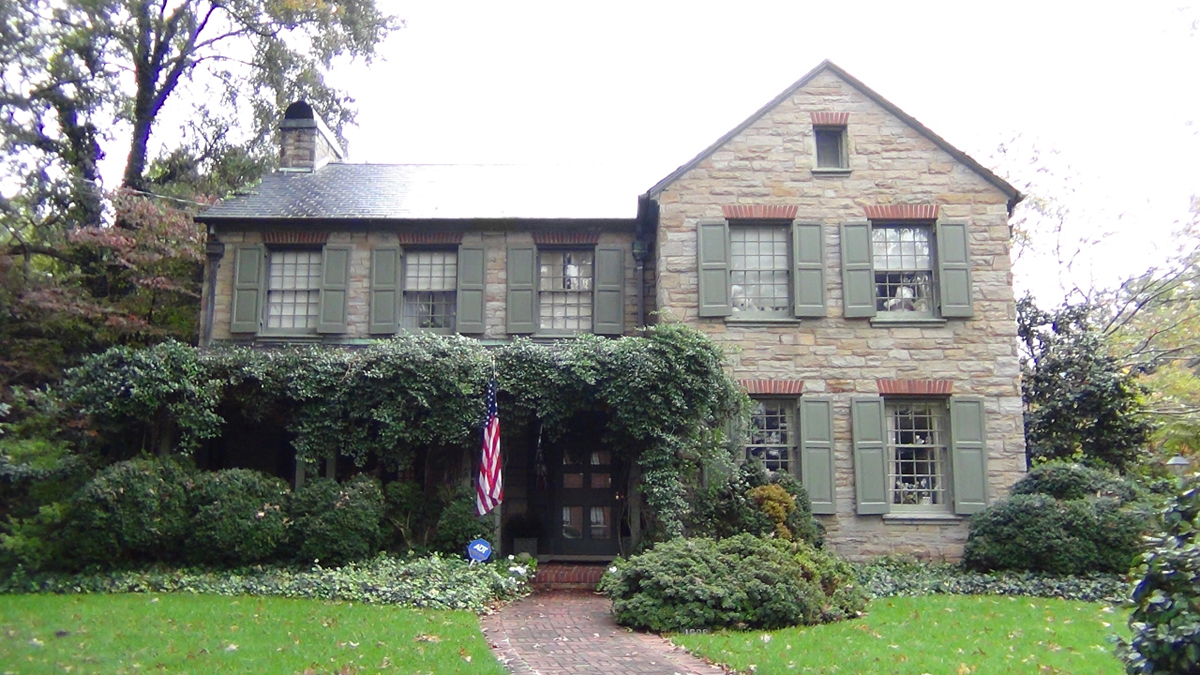
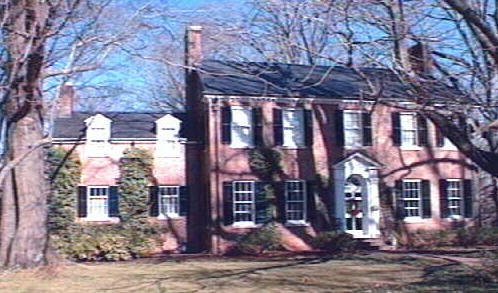
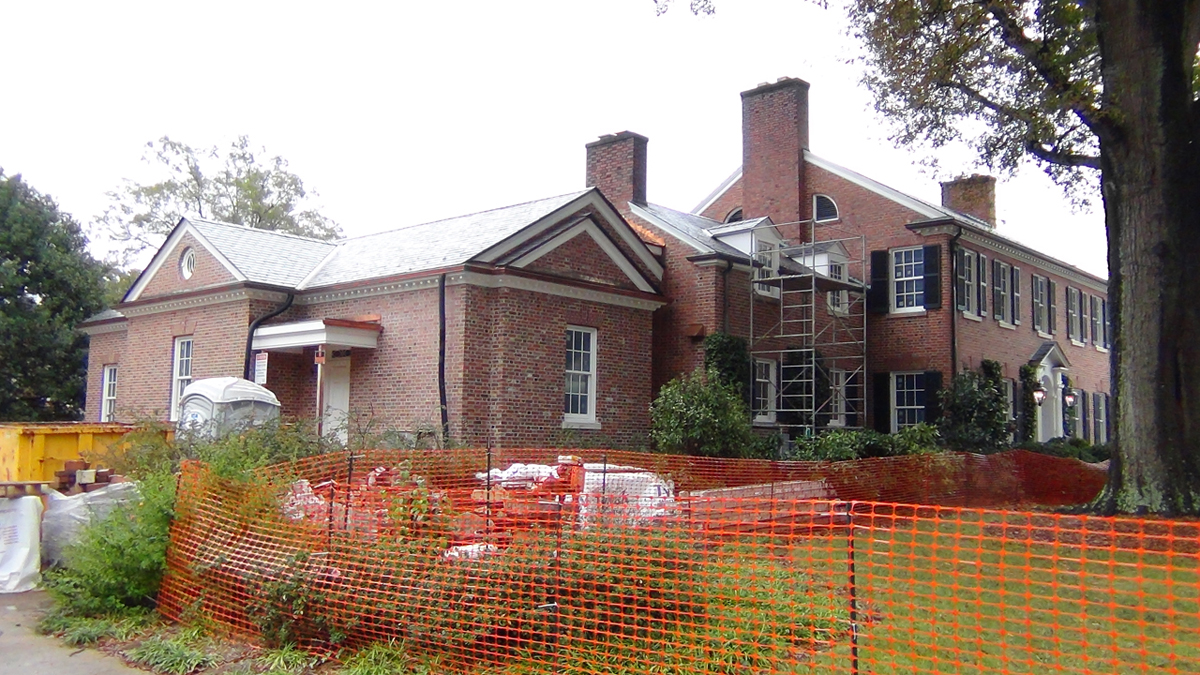
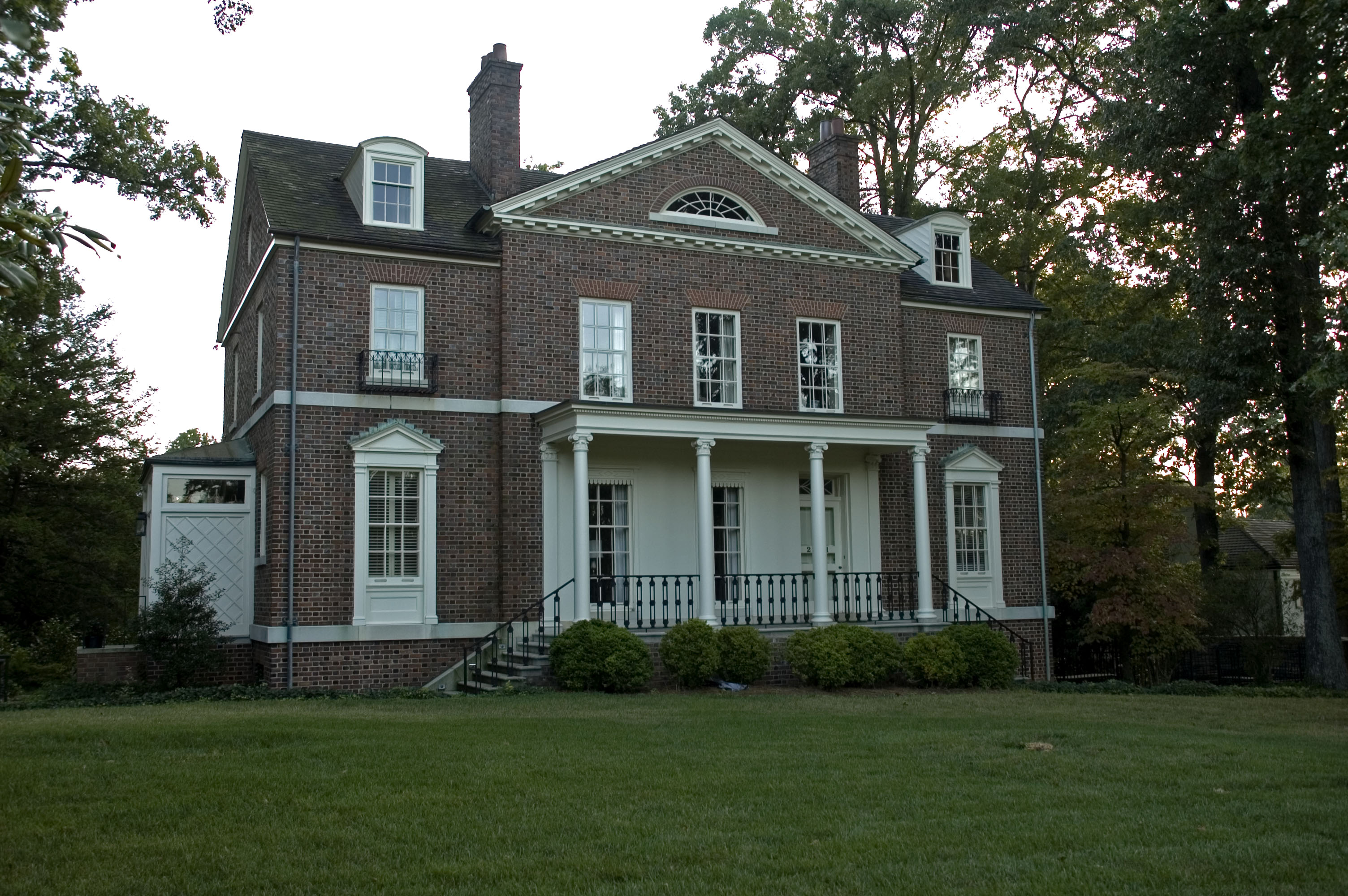
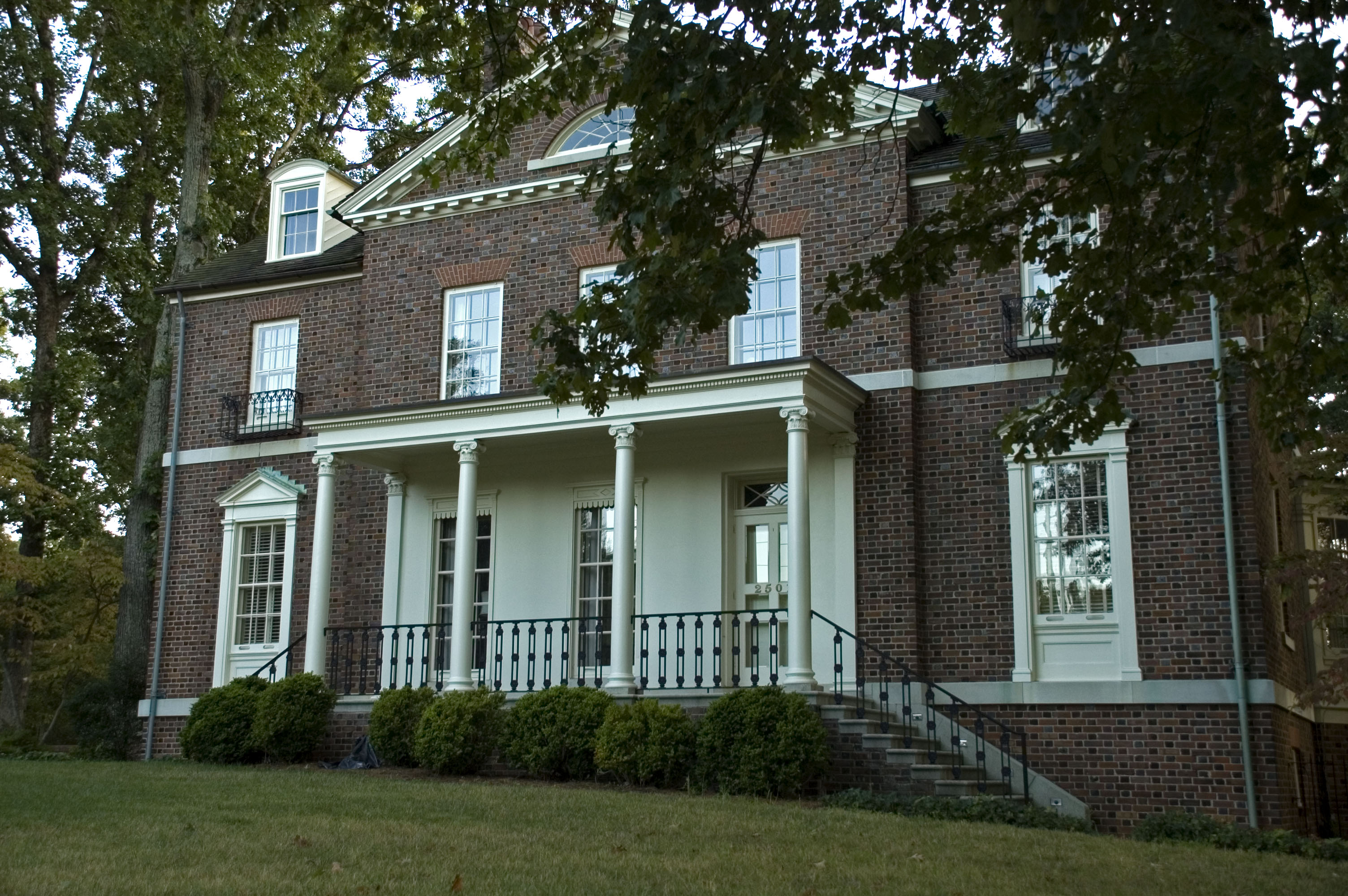
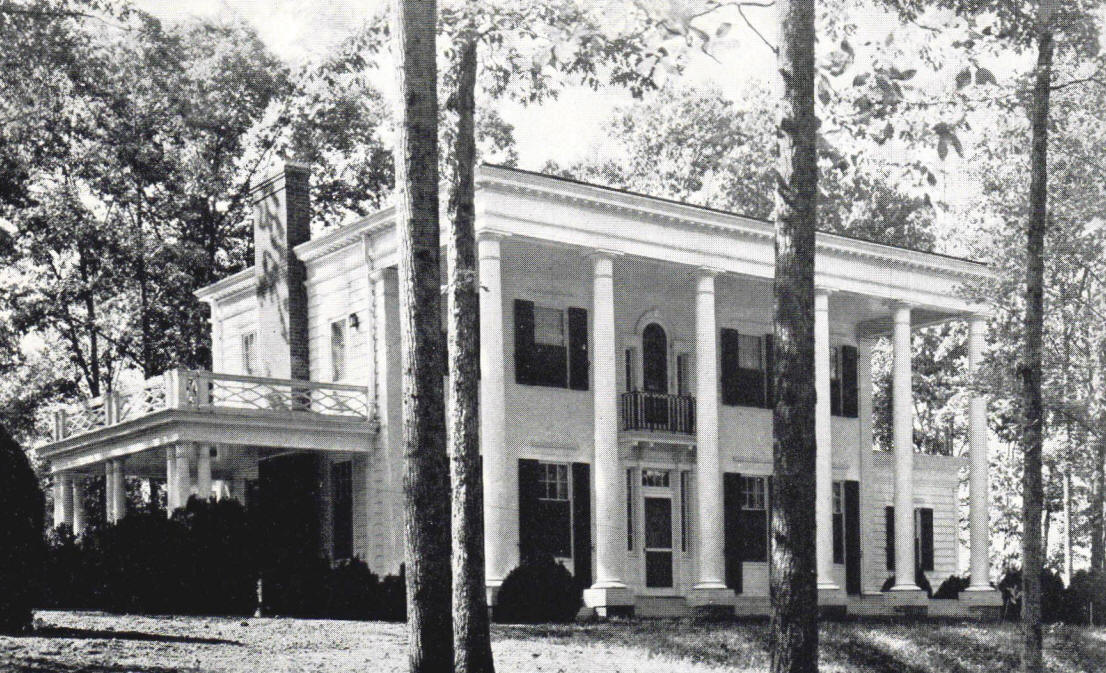
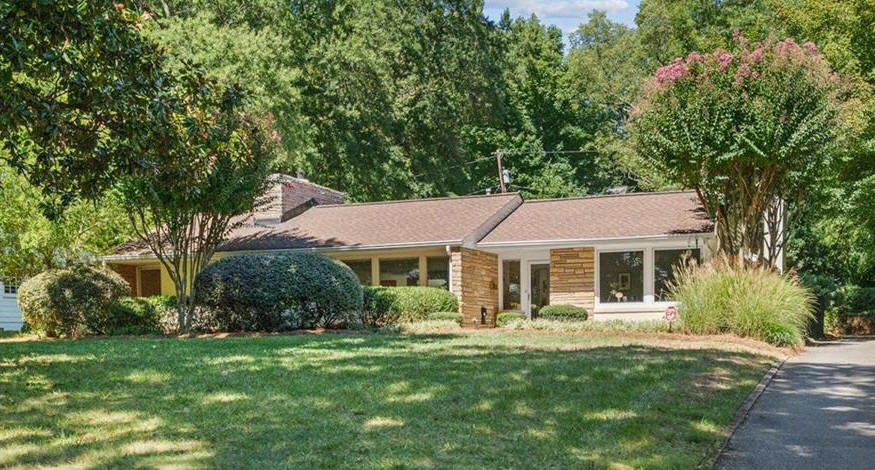
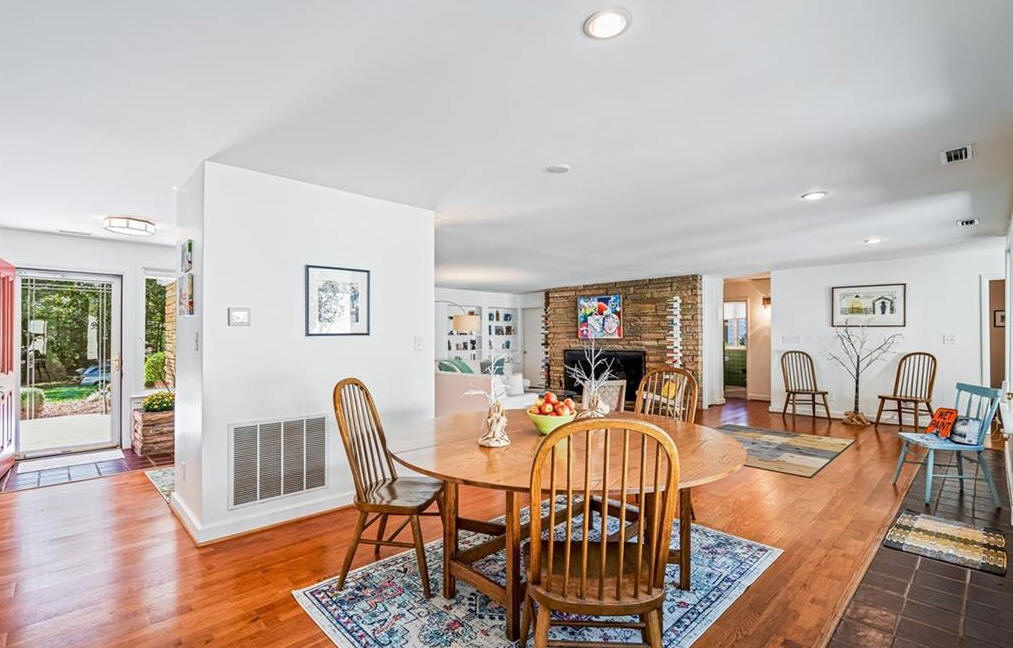
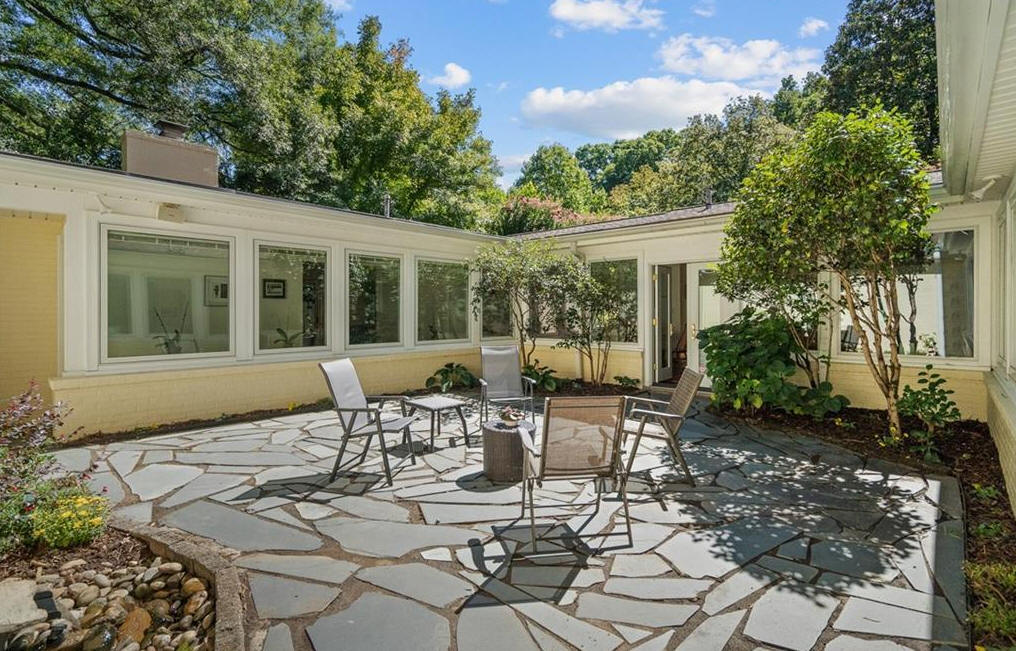
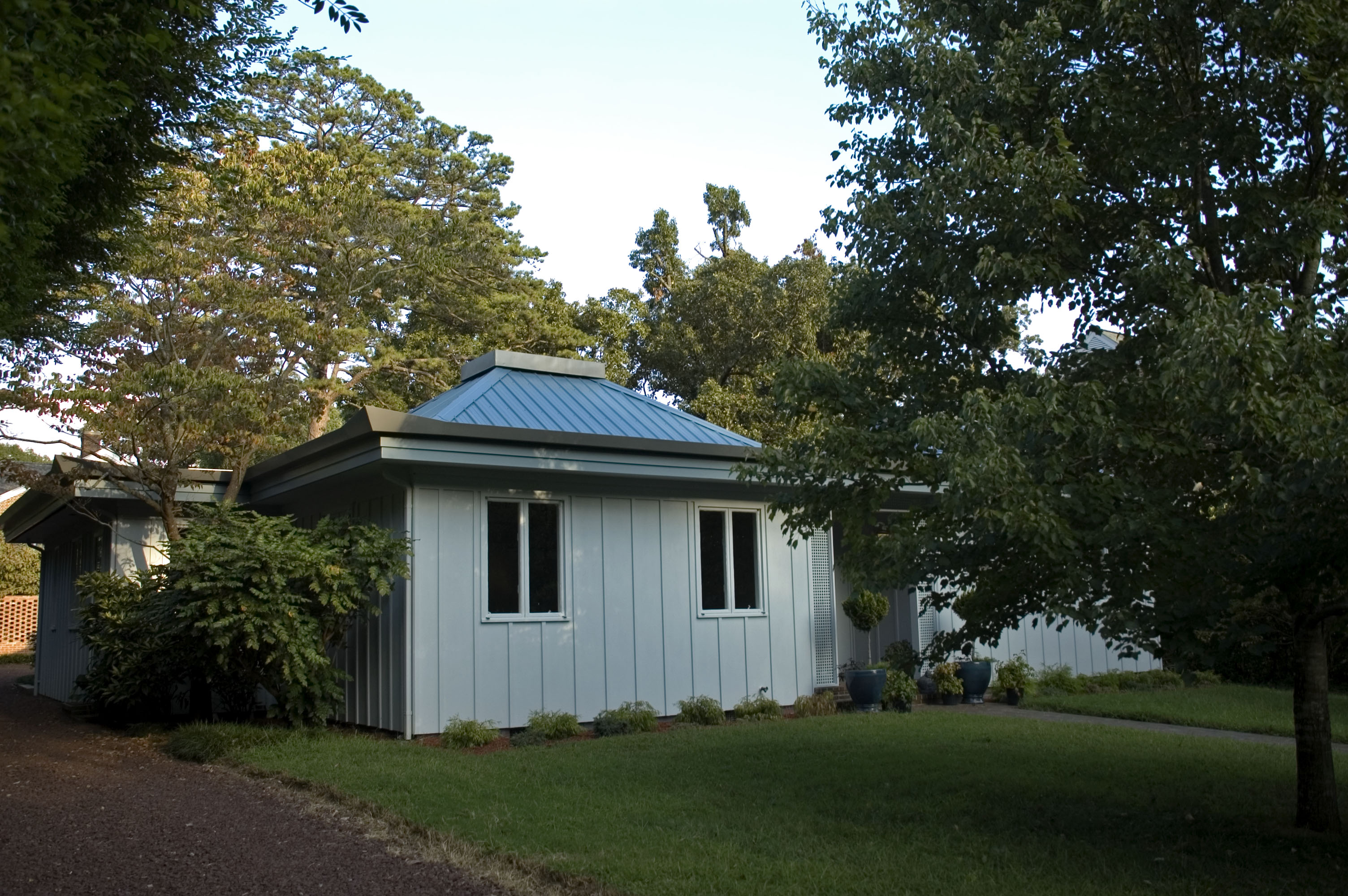
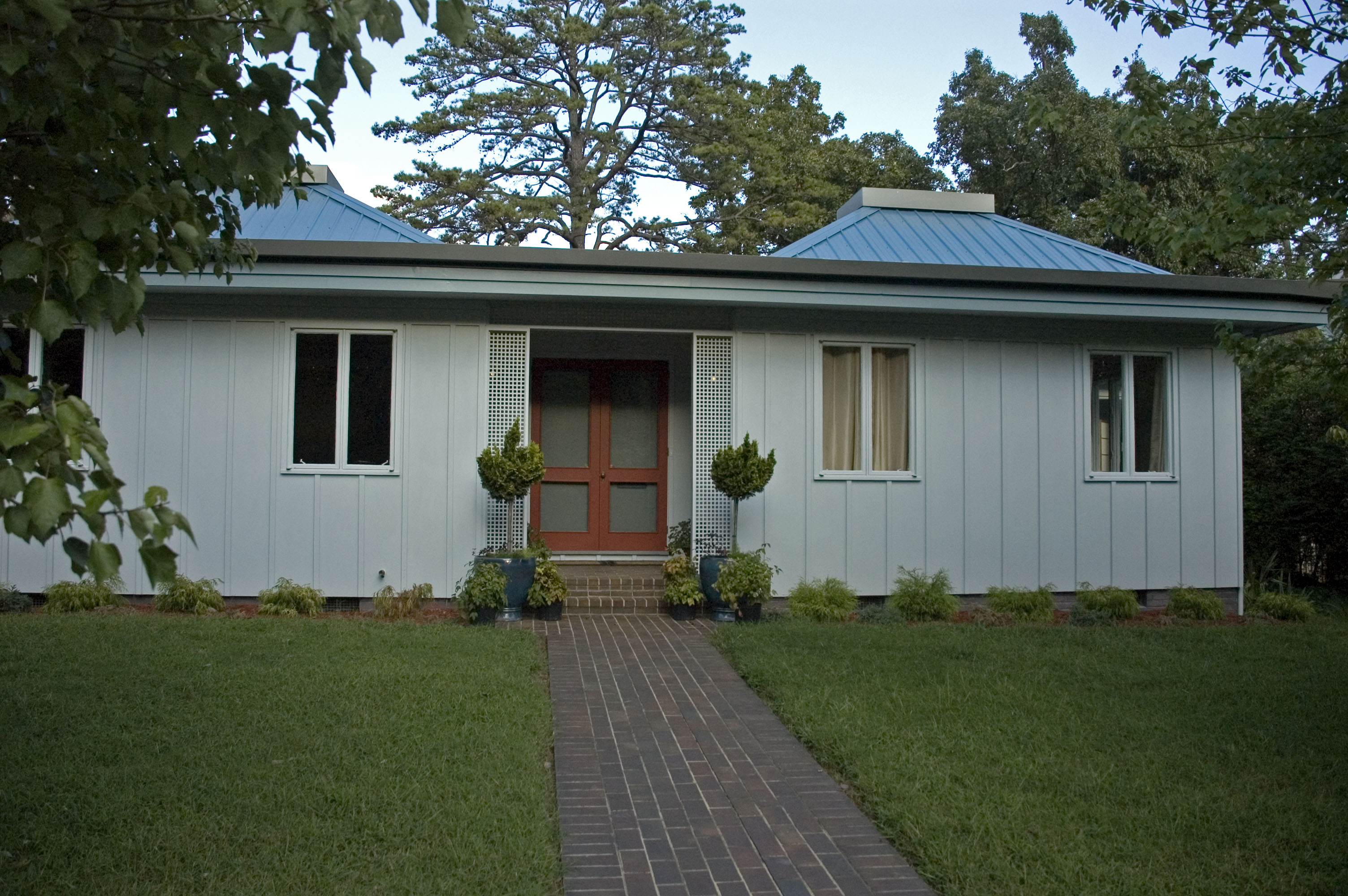
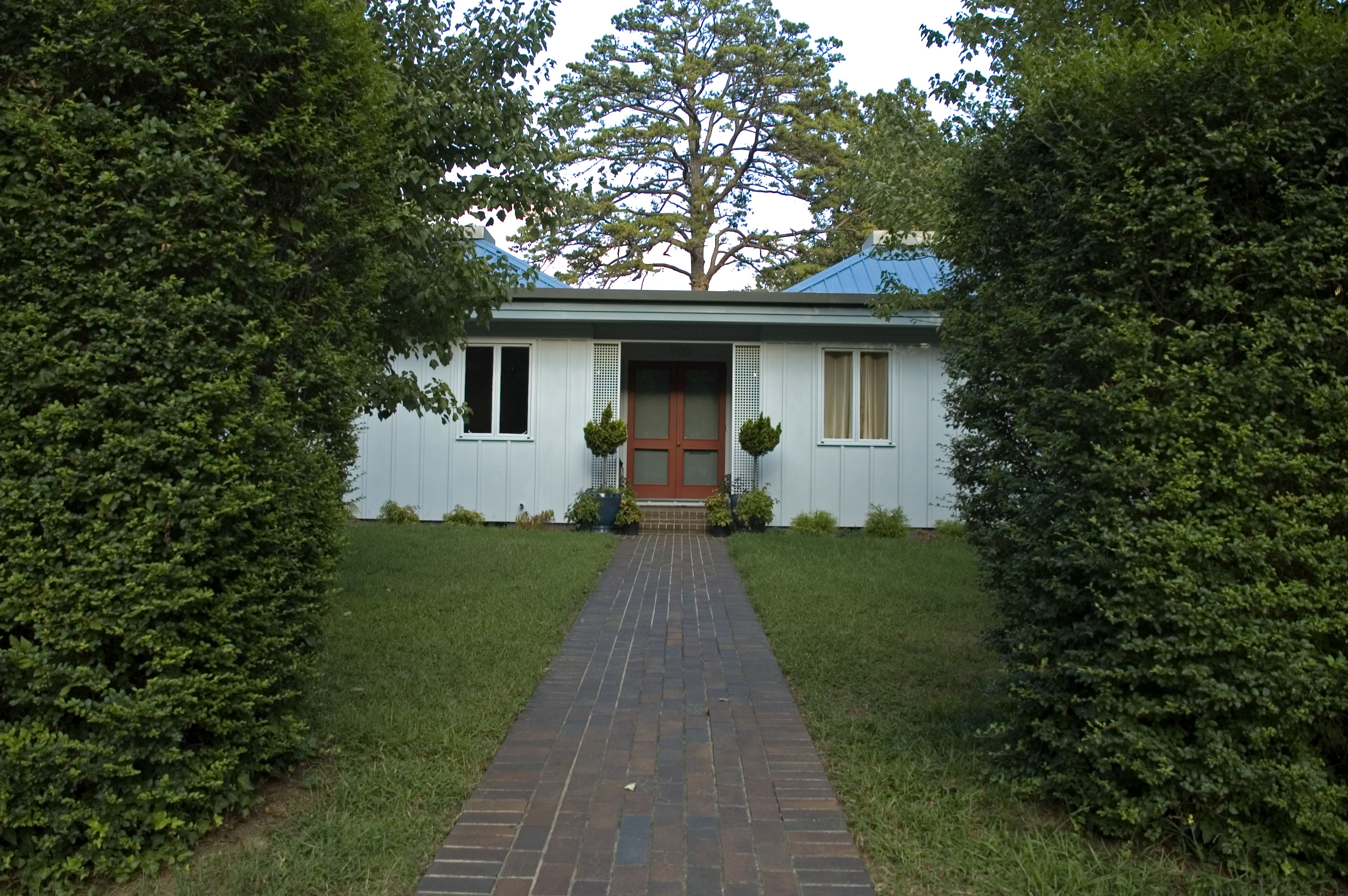
Deitrick designed mostly traditional houses, except for the Annie Briggs house below.
Sources include: Lou Grady Johnson Johanson; Luci Johnson; M. Ruth Little's The Development of Modernism in Raleigh, 1945-1965; AIANC; The Guy E. Crampton and William Henley Deitrick papers and drawings at NCSU Special Collections; History of The North Carolina Chapter of the AIA 1913-1998: An Architectural Heritage by C. David Jackson and Charlotte V. Brown.