Charles
Howard KahnFAIA
(1926–2021)
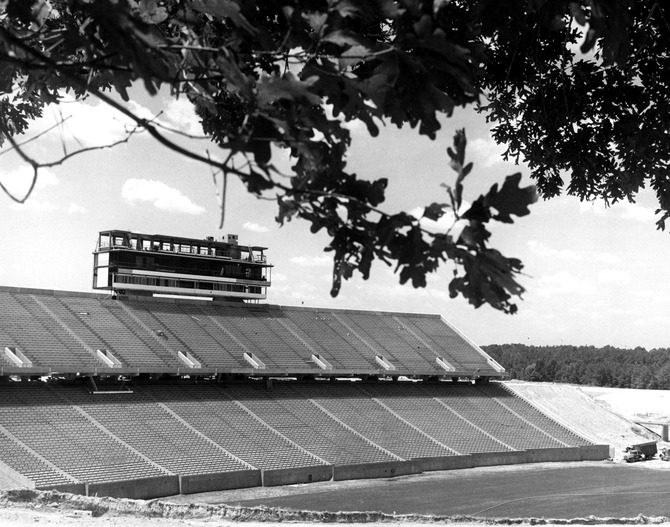
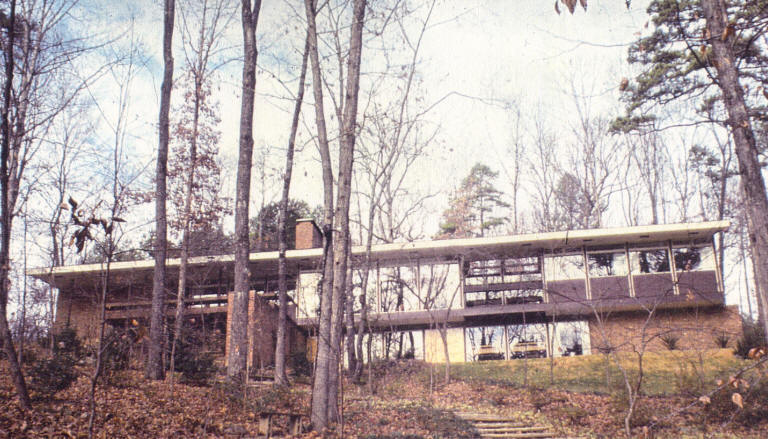
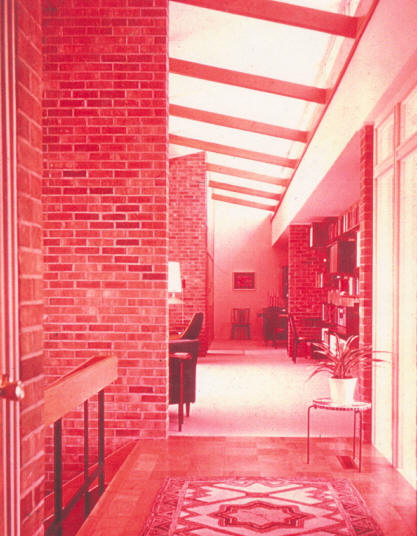
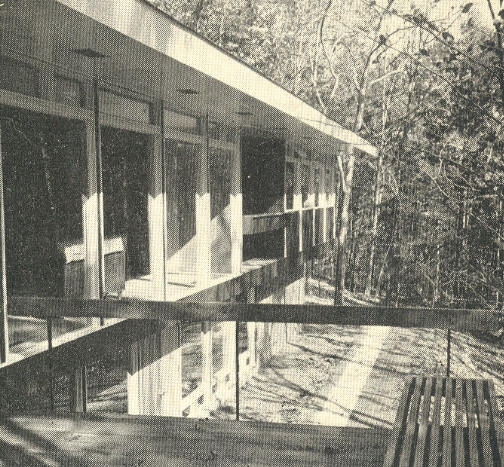
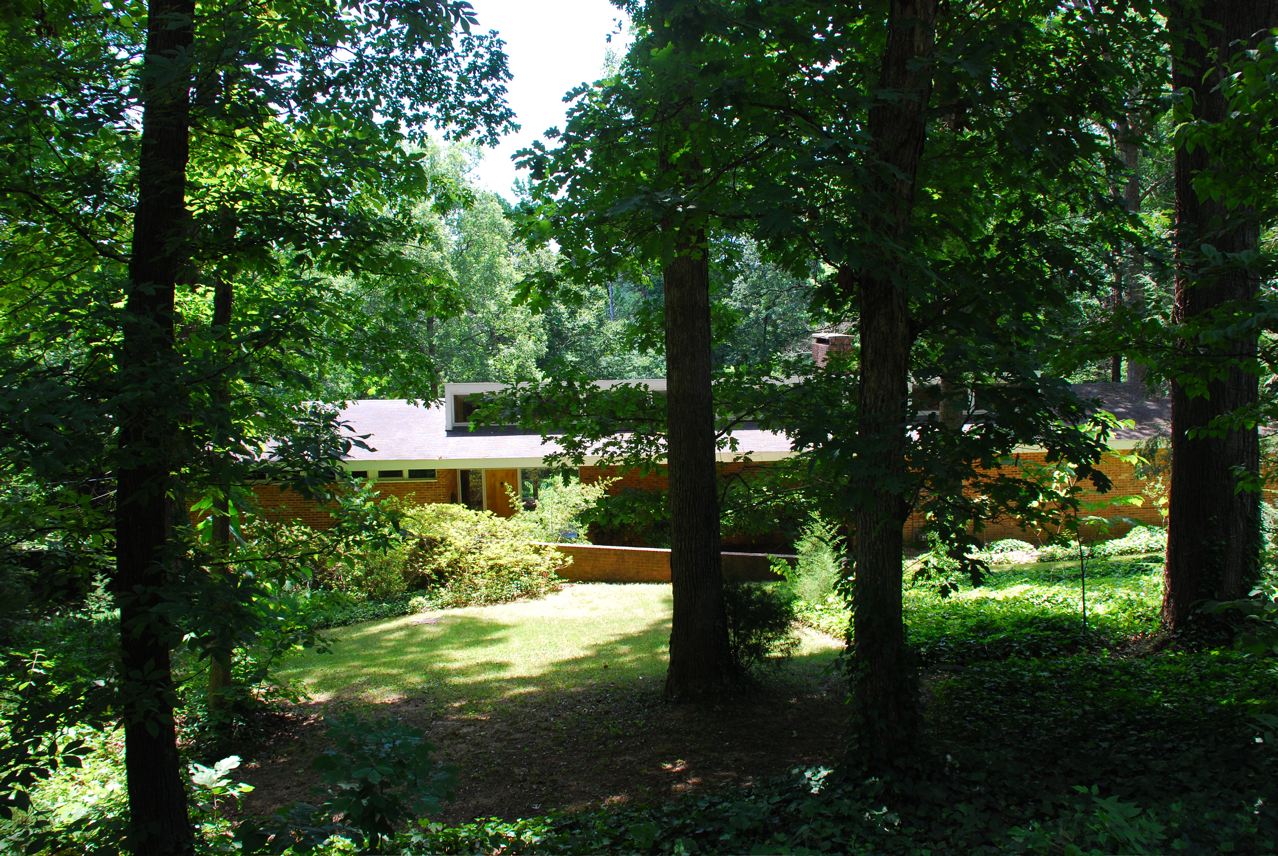
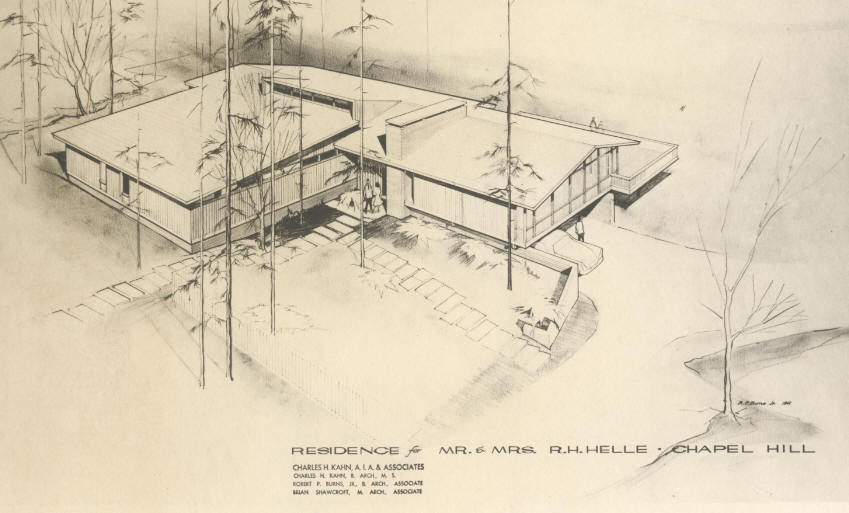
Kahn grew up in Salisbury NC. He received his BA from UNC in 1946, his Bachelor of Civil Engineering from NCSU in 1948, his MS in Structures from MIT in 1949, and his Bachelor in Architecture from NCSU in 1956. He served on the NCSU School of Design faculty from 1959-1968 and designed NC State's Carter Stadium, below.
From the News and Observer obituary: Kahn, who was active in the Civil Rights movement throughout his life, brought his social activism to both North Carolina and Kansas. While at NCSU, Kahn worked with friends and colleagues to organize The Citizens Group in support of the immediate removal of the color bar in all public places and institutions, and placed a full-page ad in the Raleigh Times (the precursor to the News & Observer) that listed approximately 900 Raleigh residents averring that position and pledging to continue to patronize and support Raleigh businesses that removed from their operations all segregation and discrimination based on race and skin color. When he went to place the ad, the Raleigh Times told Kahn they would not accept the ad unless one individual agreed to be listed on the ad taking responsibility for its placement. Following publishing of the final ad on May 15, 1963, which stated "This advertisement placed by Charles H. Kahn," Raleigh police watched over the Kahns' house in response to death threats from the Klu Klux Klan. 2011 interview below. 2016 interview.
During the 1970s, Kahn recorded audio interviews with noted engineers and architects from around the world, in preparation for a book that was never finished.
He was also the project architect for Minges Coliseum at ECU, working under Carter Williams. Kahn was recruited by the University of Kansas in 1968 to become the first Dean of their School of Architecture and Urban Design. During Kahn's tenure, the Modernist, cosmopolitan orientation of the program expanded with additional emphasis on social concerns and international relations. Kahn brought rationalism and scientific attitudes of MIT coupled with the strong Bauhaus-based design orientation of NCSU. After closing out his tenure in academia in 1991, he retired to Chapel Hill NC.
2000 NCSU Interview