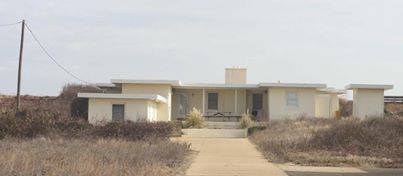
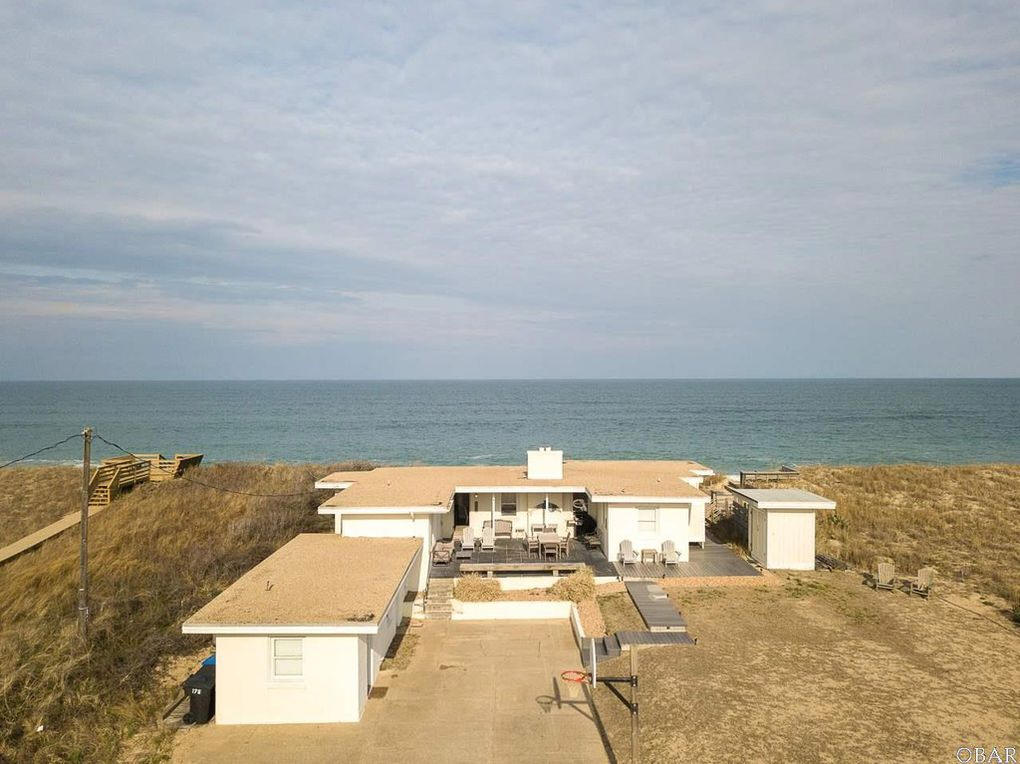

Enjoy browsing, but unless otherwise noted, these houses are private property and closed to the public — so don’t go tromping around uninvited! Ctrl-F to search within page.
(1884–1966)
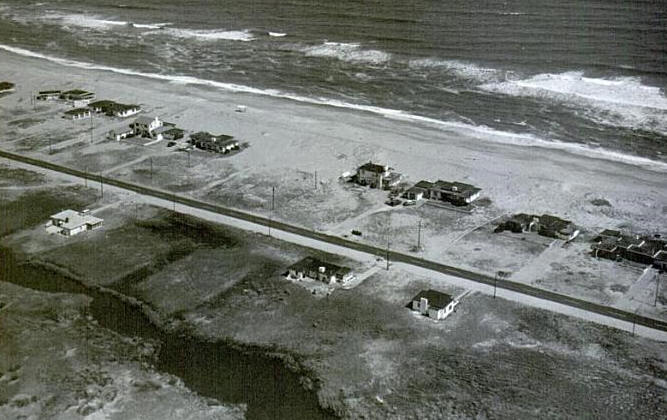
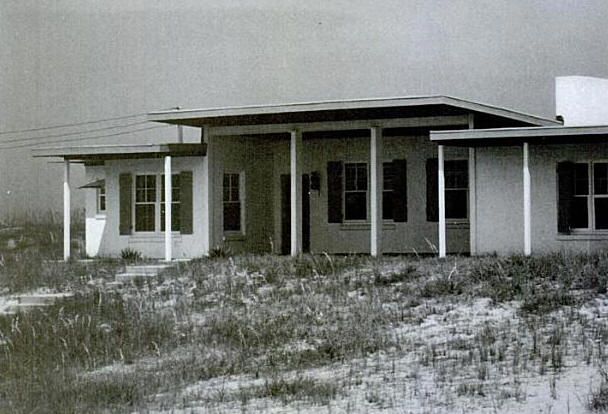
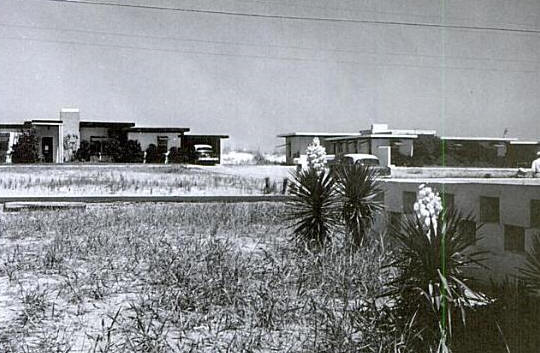
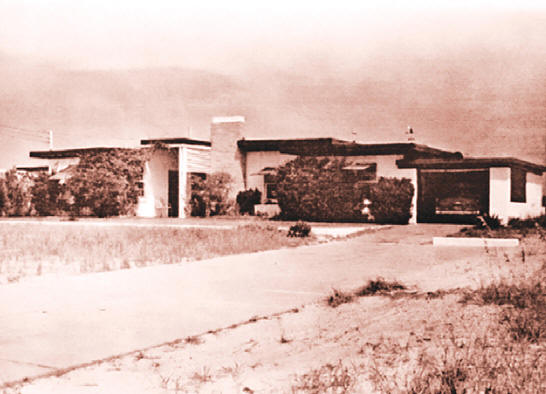
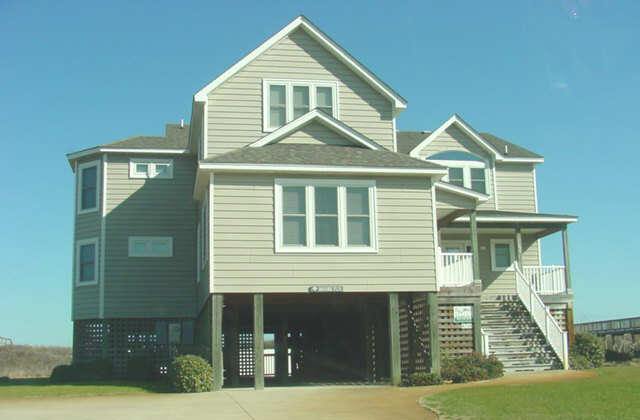
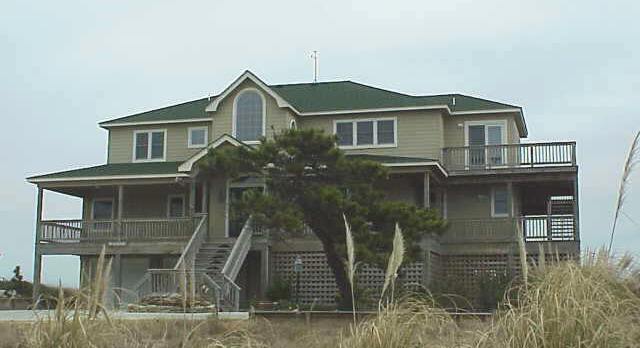
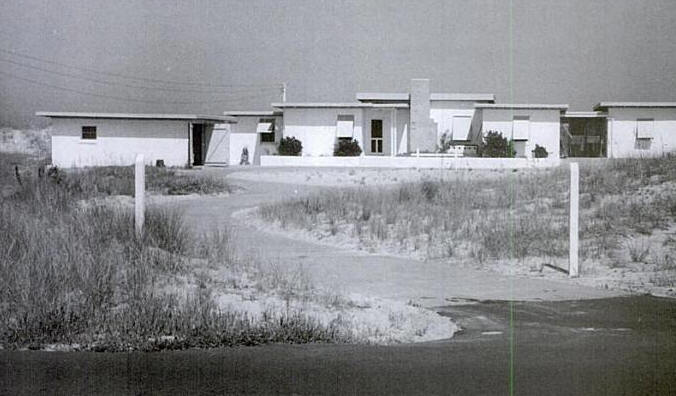
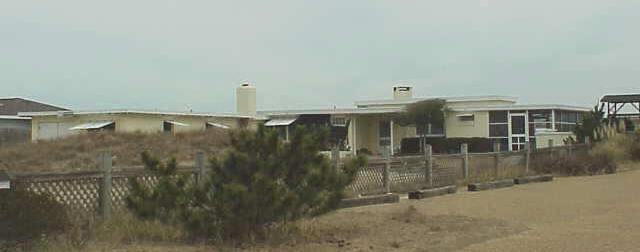
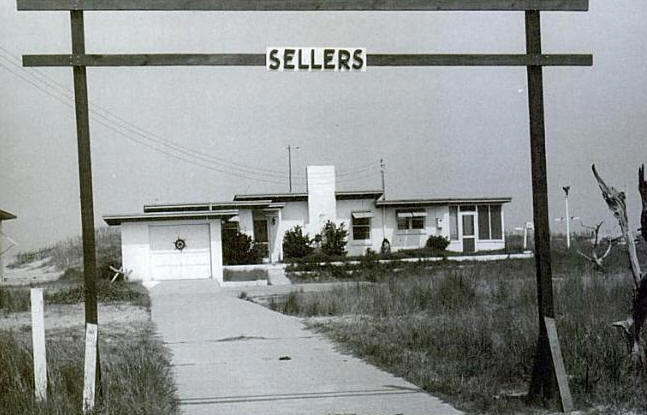
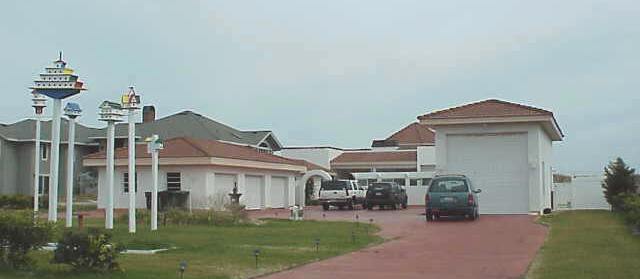
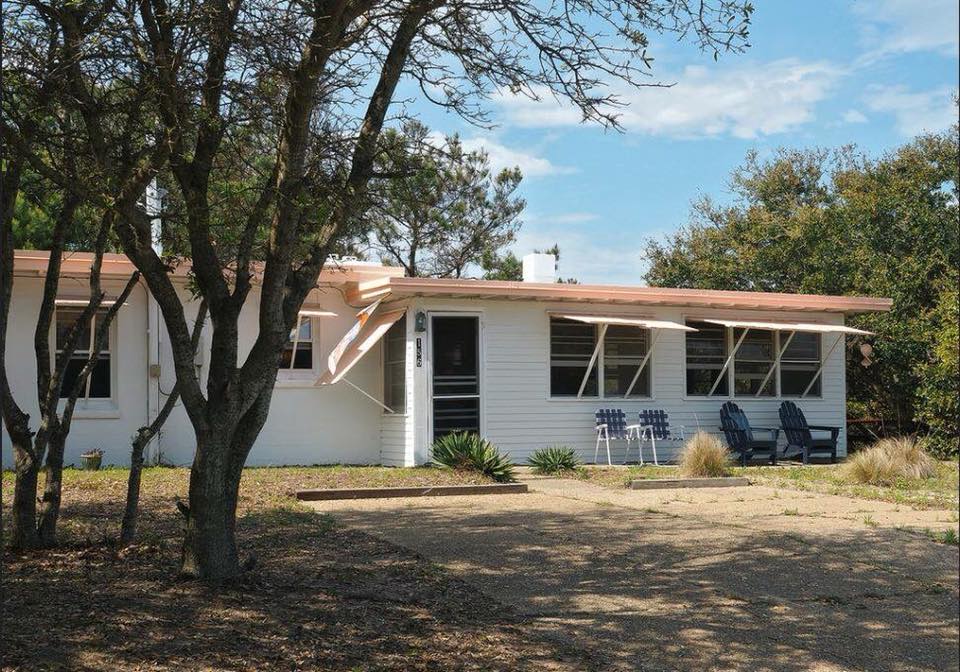
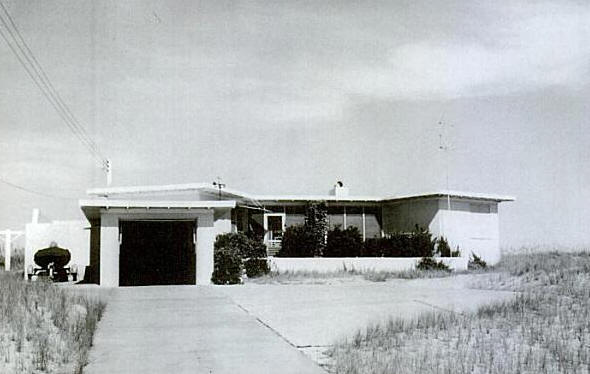
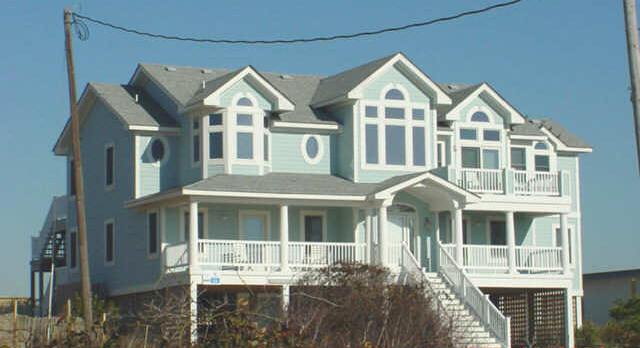
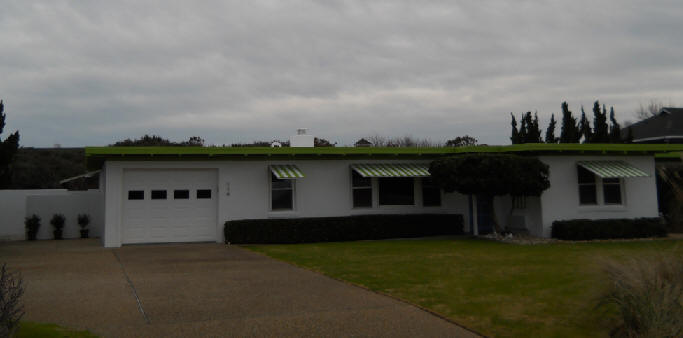
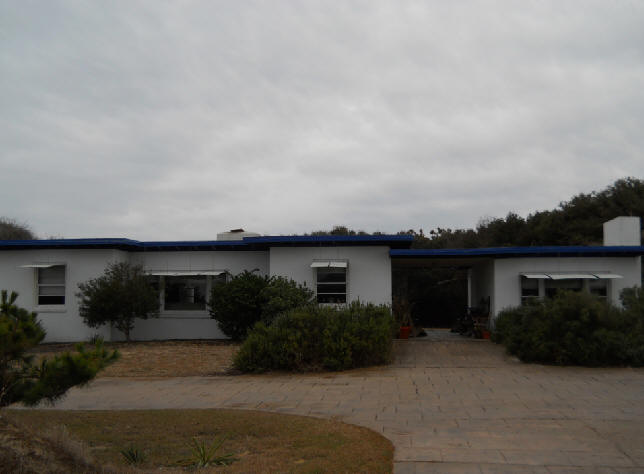
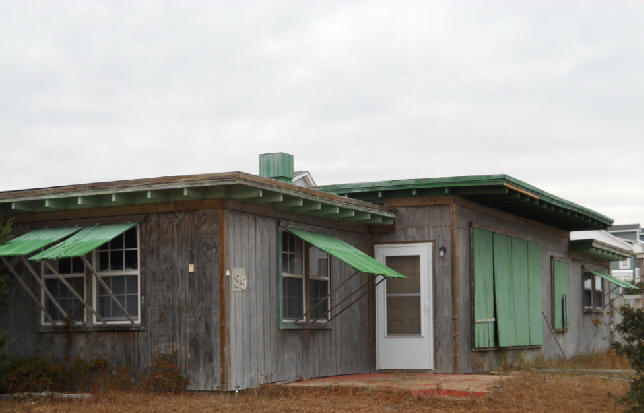
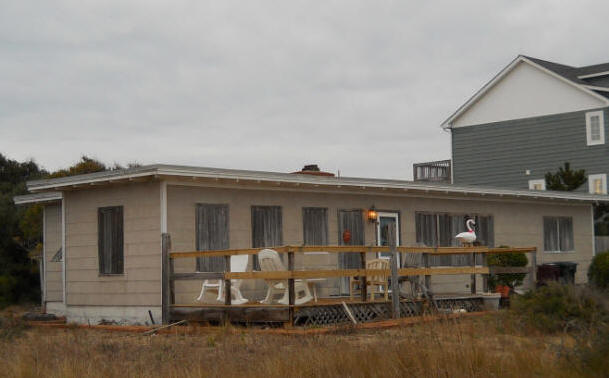
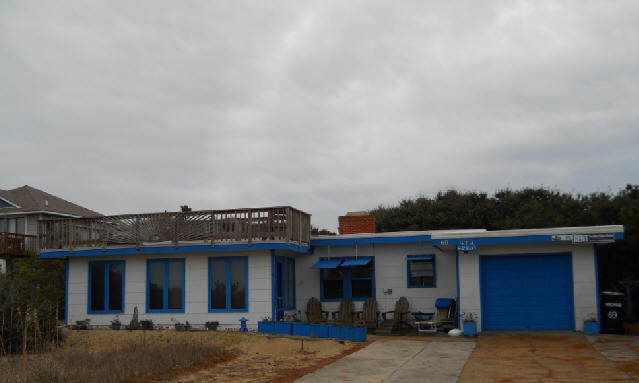
Frank Stick was a native Dakotan. He studied at Chicago Art Institute and under the renowned Howard Pyle before building a studio in Interlaken NJ. His original paintings appeared on calendars and on the covers of popular magazines like Field and Stream. In 1929 he settled his family on Roanoke Island and helped establish the first national seashore at Cape Hatteras, the Wright Brothers National Memorial, and the Fort Raleigh National Historic Site. In 1947, Stick finally realized his dream of creating an ocean-to-soundfront community which he dubbed Southern Shores. Stick purchased the 2,600 acres, about 4 square miles, along what is now Route 12 for $30,000. As of 2016, it was valued around $430 million. The area, part of which is shown below, incorporated into a town in 1979.
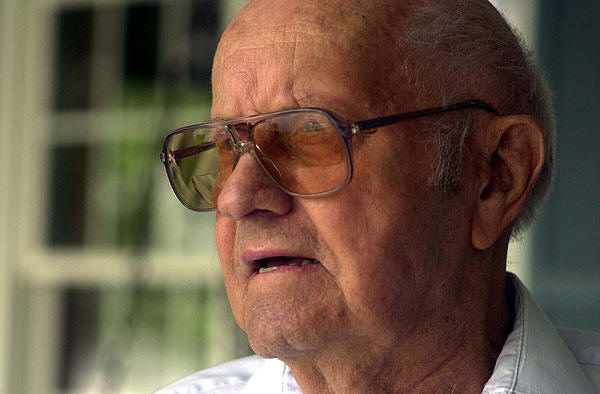
(1919–2009)
Frank Stick's son David was born in New Jersey. His father began taking family trips to the Outer Banks in the early 1920s, buying property. The family moved to Roanoke Island in 1929, and as a teenager Stick wrote a column for the Elizabeth City Independent. He enrolled at the University of North Carolina but, as he would later say, "flunked out." He later helped write the Coastal Area Management Act legislation, which governed conservation and coastal development in North Carolina. He lived in Kitty Hawk and was the first mayor of Southern Shores. Stick also was the first licensed real estate broker in Dare County and a co-founder in 1982 of the Outer Banks Community Foundation. His massive collection of northeastern North Carolina maps, charts, books and papers is at the Outer Banks History Center in Manteo. One story Stick told was how Amelia Earhart wrapped him in her arms in 1928, for a ride along sand paths in a pickup to the 25th anniversary commemoration of the first flight by the Wright brothers. Stick, then 8 years old, met Orville Wright at the event.
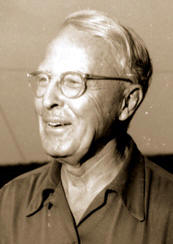
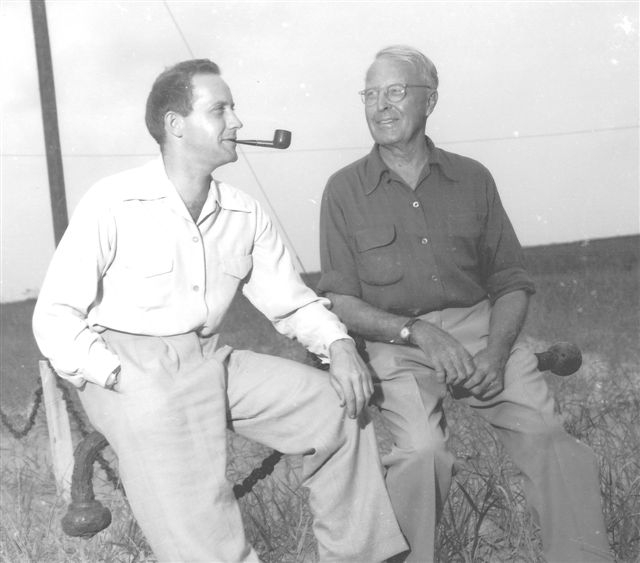
David (left) and Frank (right).
Sources include: Outer Banks History Center; Outer Banks Architecture by Marimar McNaughton; Pilot Online.